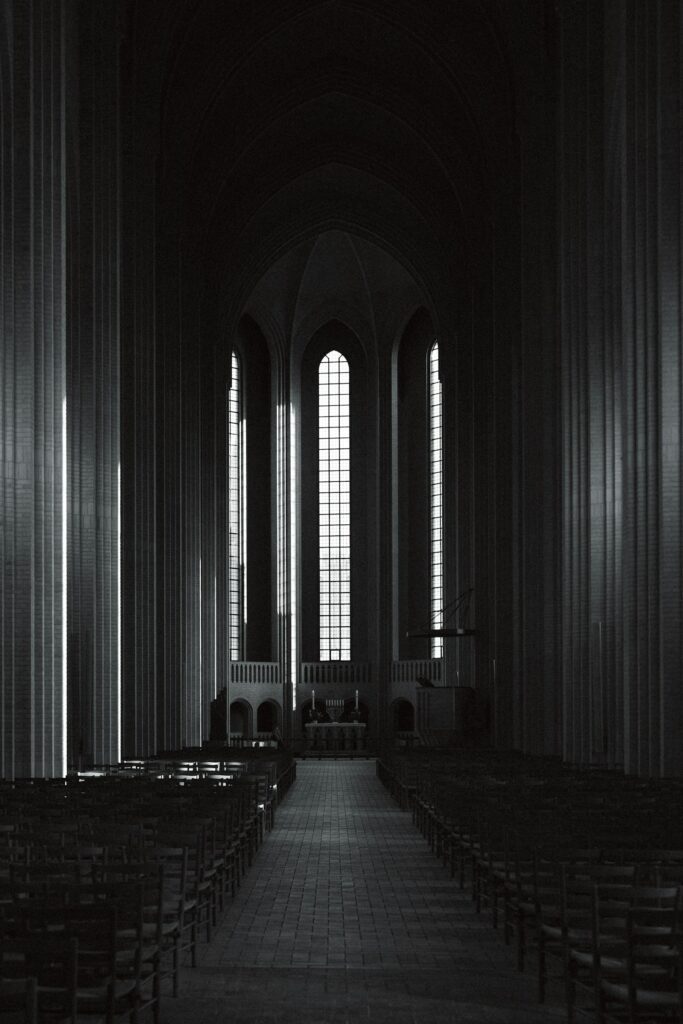
Rural Montana has no shortage of small congregations that have shrunk over the years, leaving a sanctuary that’s used once a week, an annex that sits empty most days, or a second building that hasn’t hosted a regular gathering in years. It’s a quiet trend, but it creates a real insurance problem: most commercial property policies have a vacancy clause that limits or eliminates coverage once a building sits unoccupied beyond a certain number of consecutive days, typically 60.
The tricky part is that “vacant” has a specific insurance definition that doesn’t match how most church boards think about their building. A structure can be legally vacant under a policy even if someone stops by occasionally to check on it, mow the lawn, or hold an occasional event, if it isn’t being used for its intended purpose on a regular basis. Many church leaders don’t discover this until after a loss, when a claim gets denied or reduced because the building met the policy’s definition of vacant.
If any part of your property fits this description — a closed annex, a mothballed parsonage, a building used only seasonally — the fix isn’t complicated, but it does require a conversation with your agent. Some carriers offer a vacancy permit or endorsement that restores broader coverage for a defined period, often with some added conditions like more frequent inspections or basic security measures. Others may simply require you to disclose the vacancy so your policy is rated and written correctly from the start.
Rather than waiting for a claim to surface the issue, it’s worth doing a straightforward walkthrough of every structure your church owns at your next renewal and asking, honestly, how each one is actually being used. That single conversation can prevent a very unpleasant surprise the day something goes wrong.
Action Items
- List every structure your church owns and note how often each is actually used.
- Flag any building unoccupied 60+ consecutive days for follow-up.
- Set a recurring inspection schedule for any flagged vacant or underused buildings.
This post is for general informational purposes only and isn’t legal or insurance advice — every policy is different, so please talk with a licensed insurance professional before making coverage decisions for your church.
