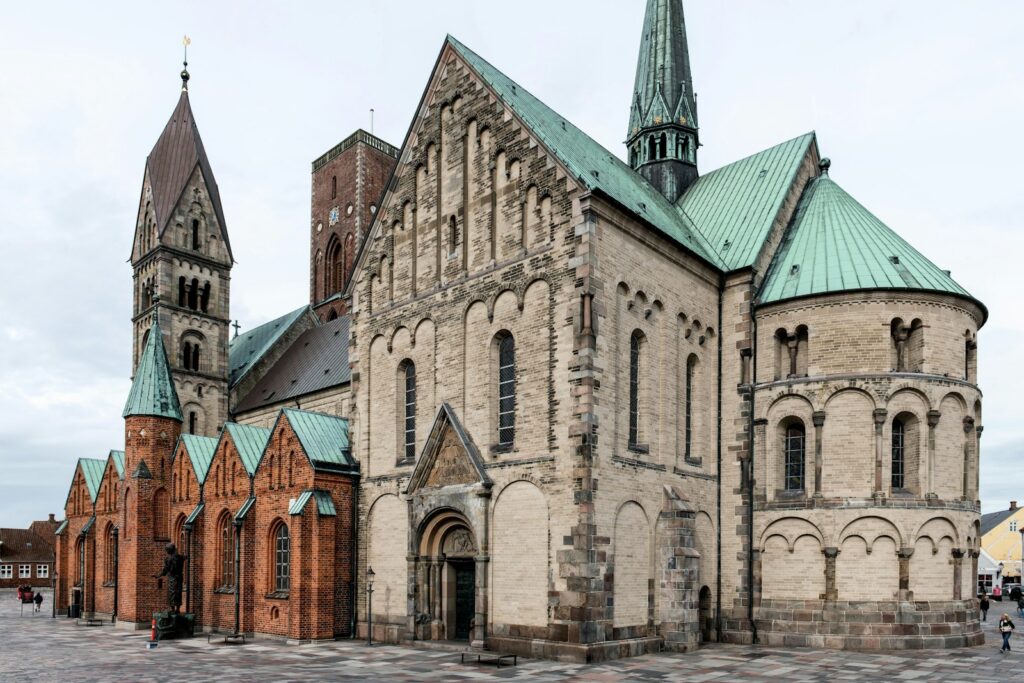
Every spring, Montana congregations brace for the same visitor: hail. From the Hi-Line to the Yellowstone Valley, hailstorms are one of the most consistent and costly threats to church roofs, steeples, and HVAC units. A single severe storm can turn a decades-old roof into a six-figure claim, and the churches that fare best afterward are almost always the ones that prepared before the first thunderhead rolled in.
The most useful preparation is boring: a documented, dated inspection of your roof, gutters, and any rooftop equipment before hail season ramps up in late spring. Photograph the roof from multiple angles, note the age and condition of shingles or membrane, and keep that record somewhere your office can find it quickly. If a storm does hit, that “before” documentation makes the claims process dramatically faster and reduces disputes over what damage was pre-existing.
After a storm, resist the urge to sign anything with a door-to-door roofing contractor before your insurance carrier has weighed in. Storm-chasing contractors are common in Montana after major hail events, and while some are legitimate, a policy often requires notice to the carrier and an inspection before repairs begin. Take dated photos of the damage immediately, and keep a simple log of when the storm occurred and when you first noticed the damage.
Finally, ask your agent whether your policy pays on a replacement cost or actual cash value basis for roofs specifically — many carriers have moved to depreciated “roof surface” endorsements that pay less for older roofs. Knowing this before a storm hits, rather than after, lets your board budget accordingly and avoid an unpleasant surprise mid-claim.
Action Items
- Photograph and date-stamp your roof, gutters, and rooftop equipment before hail season starts.
- Save a contractor screening step (license, insurance, local references) into your storm-response plan before a storm forces the decision.
This post is for general informational purposes only and isn’t legal or insurance advice — every policy is different, so please talk with a licensed insurance professional (or an attorney, for legal questions) before making coverage decisions for your church.
