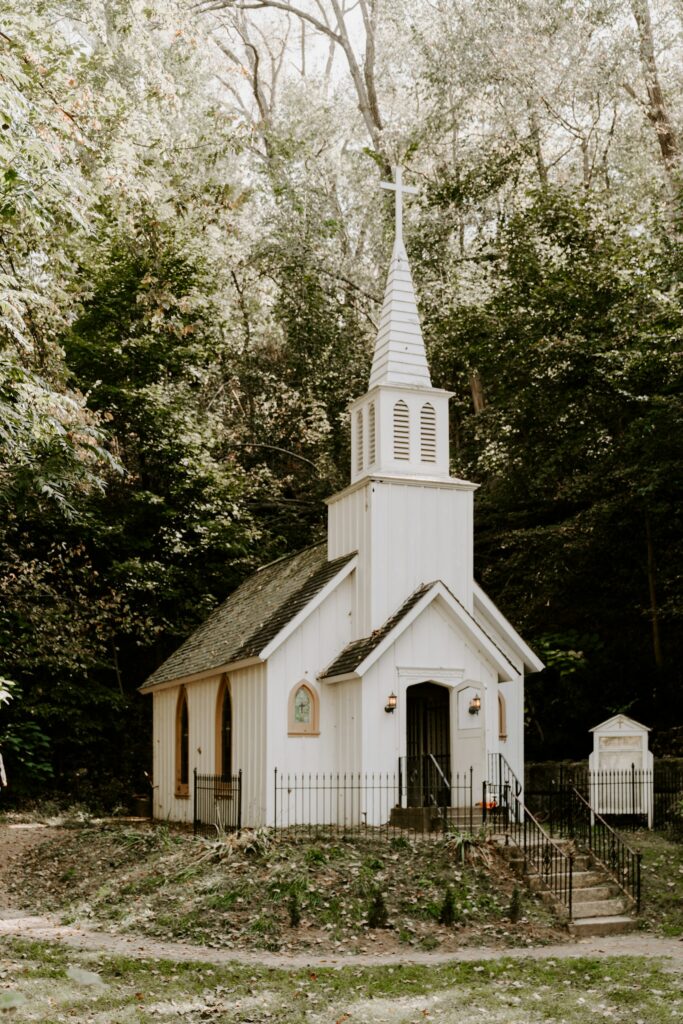
Not every church has a facilities budget or a risk management committee, and that’s true of most small, rural Montana congregations running on a shoestring and a lot of volunteer goodwill. The good news is that a meaningful share of effective risk management costs little or nothing — it’s more about consistent habits than big spending.
Start with documentation, which is free: photograph your building’s condition once or twice a year, keep a simple log of maintenance and repairs, and save records of who was trained or background-checked for which roles. None of this prevents an incident, but it dramatically improves how smoothly a claim resolves if one ever happens, and it costs nothing but a little discipline.
Next, focus on the highest-frequency, lowest-cost fixes: clearing ice and snow consistently, keeping a simple driver-approval process for anyone using a church vehicle, and having a written, if brief, child safety policy for any program involving minors. These aren’t expensive programs — they’re mostly about writing down what a careful church would do anyway and then actually following it consistently.
Finally, make the most of your insurance relationship itself. A good agent working in the church and nonprofit space can often flag gaps or low-cost coverage additions — a volunteer accident policy, an ordinance-or-law endorsement, a modest cyber add-on — that meaningfully reduce risk without straining a tight budget, since these coverages tend to be inexpensive relative to what they protect against. An annual conversation with your agent, even a short one, is often the single highest-value, lowest-cost risk management step a small congregation can take.
Action Items
- Start a free documentation habit: photos of the building and a maintenance/training log, updated twice a year.
- Put your snow removal, driver approval, and child safety practices in writing, even briefly.
This post is for general informational purposes only and isn’t legal or insurance advice — every congregation’s situation is different, so please talk with a licensed insurance professional about what fits your budget and needs.
