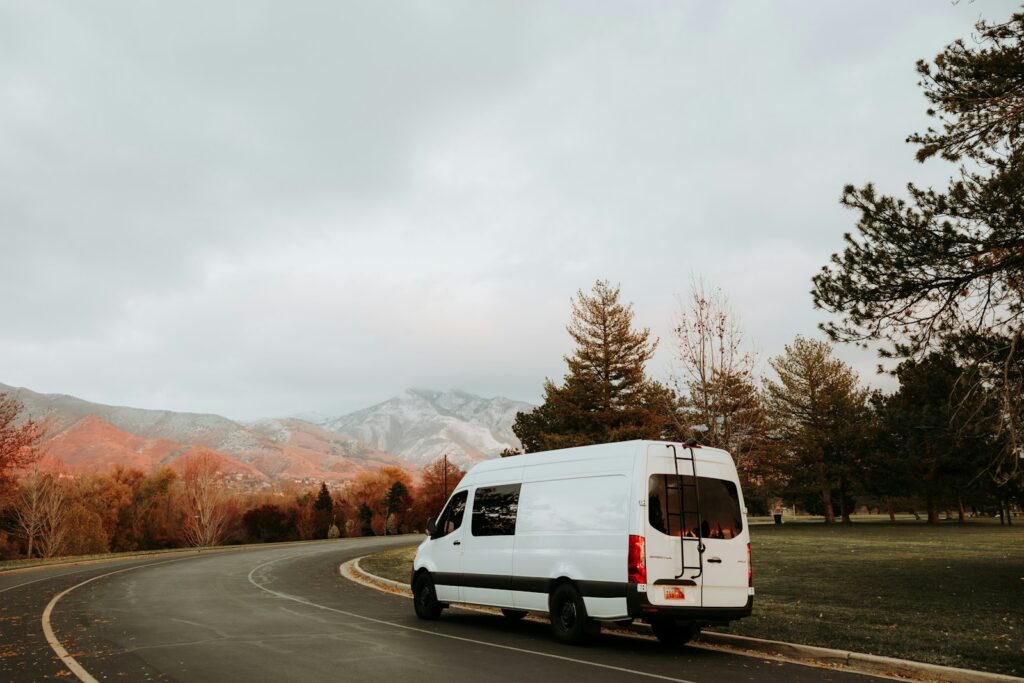
Church vans and buses cover a lot of ground in Montana — youth group trips, senior ministry outings, Sunday shuttle routes — often over long rural distances and in weather conditions that would give any driver pause. Auto liability is consistently one of the more serious exposures a congregation carries, both because the potential severity of a crash is high and because church vehicles are often driven by volunteers rather than professional drivers.
A basic, consistently enforced driver approval process is the foundation of good van safety: checking motor vehicle records before anyone is approved to drive a church vehicle, setting a minimum age and experience requirement, and re-checking records periodically rather than just at initial approval. Many churches skip this because it feels bureaucratic for a volunteer activity, but it’s exactly the kind of documented process that matters enormously if an accident does happen.
It’s also worth thinking specifically about Montana driving conditions: long stretches of highway with limited services, sudden weather changes, and wildlife on rural roads at dawn and dusk. Basic guidance — mandatory breaks on long trips, no driving in whiteout conditions, headlight and wiper checks before winter trips — costs nothing to establish but meaningfully reduces risk on the kind of long-distance travel many Montana youth groups do regularly.
On the coverage side, it’s worth distinguishing between church-owned vehicles, which need their own commercial auto policy, and situations where staff or volunteers use personal vehicles for church business, which typically calls for “non-owned and hired auto” liability coverage on the church’s policy. This second category gets overlooked constantly — if your youth pastor regularly drives their own car to pick up kids for youth group, that’s an exposure worth specifically confirming is covered.
Action Items
- Set up a driver approval process: MVR check, minimum age/experience, and periodic re-checks.
- Write basic long-trip driving guidance (breaks, whiteout conditions, seasonal vehicle checks).
- Confirm non-owned and hired auto coverage is in place for staff/volunteers using personal vehicles.
This post is for general informational purposes only and isn’t legal or insurance advice — every policy and situation is different, so please talk with a licensed insurance professional before finalizing your church’s driving and vehicle policies.
