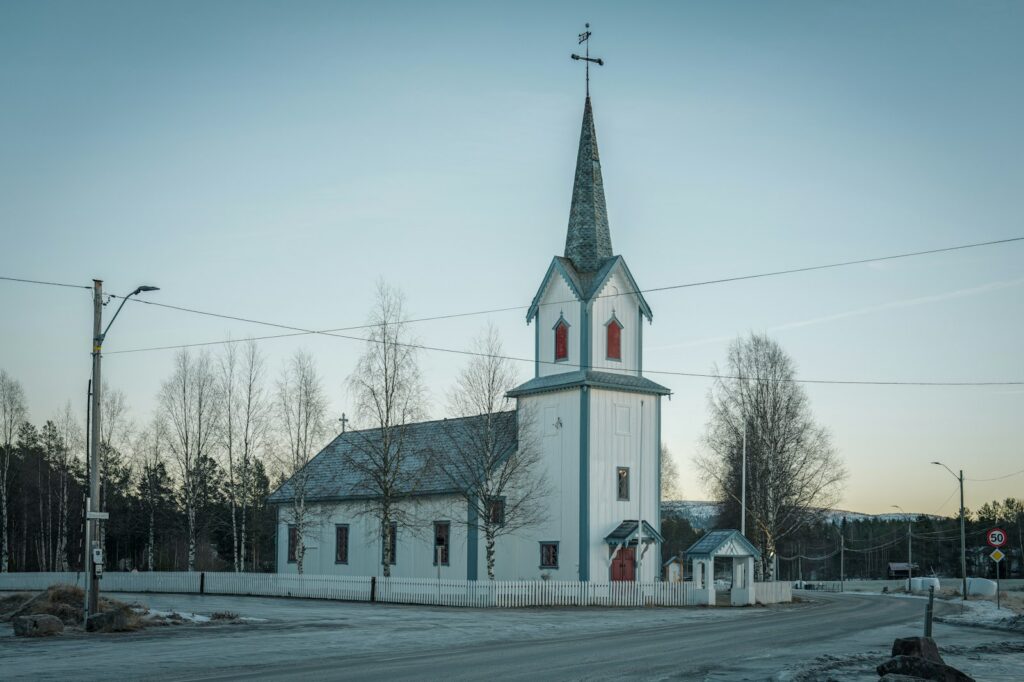
Frozen and burst pipes are one of the most common — and most preventable — property claims churches file every winter in Montana. A single pipe break in an unheated fellowship hall or a sanctuary that sits empty during the week can release hundreds of gallons of water before anyone notices, leading to flooring, drywall, and mold remediation costs that dwarf the price of prevention.
The basics matter more than most facilities teams expect. Keep the building’s heat set no lower than 55 degrees, even in areas that aren’t used daily, and know where your main water shutoff valve is located — write it on a sign near the valve itself so anyone can find it in an emergency. Insulate exposed pipes in crawl spaces, attics, and exterior walls, and let faucets drip slightly during extreme cold snaps to keep water moving.
Smaller, less-visited buildings are the highest risk. A detached parsonage, a rarely used annex, or a summer-only camp building can sit for days or weeks without anyone checking on it. If your church owns any secondary structures, assign someone to do a quick walkthrough on a regular schedule during winter months, and consider a low-cost water sensor near water heaters and under sinks that can alert staff before a slow leak becomes a flood.
If a pipe does break, shut off the water immediately, document the damage with photos before cleanup begins, and call your agent as soon as possible. Prompt reporting and clear documentation are two of the biggest factors in how smoothly a water damage claim resolves.
Action Items
- Label the main water shutoff valve and confirm at least two staff or volunteers know where it is.
- Set a recurring winter walkthrough schedule for any secondary or rarely used buildings.
- Install low-cost water sensors near water heaters and under sinks in unmonitored spaces.
This post is for general informational purposes only and isn’t legal or insurance advice — every policy is different, so please talk with a licensed insurance professional (or an attorney, for legal questions) before making coverage decisions for your church.
